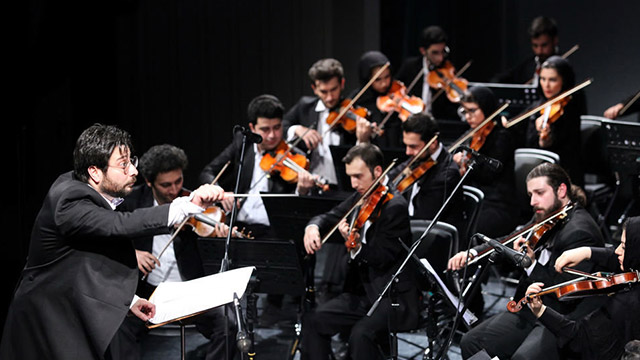
A number of cultural officials and artists, including Minister of Culture and Islamic Guidance Seyyed Abbas Salehi, Head of the Cinema Organization Raed Faridzadeh, festival secretary Arash Amini, and several prominent musicians and cultural figures attended the closing ceremony at Tehran’s Vahdat Hall on Saturday.
The event unveiled an artificial intelligence singer named ‘Avin’, a project conceived and managed by Fatemeh Agahi, which performed some pieces themed around Iran with a pop music ensemble.
“This year’s Fajr Music Festival had been designed as a month-long program featuring various domestic and international artists. However, developments in mid-January necessitated a revision of those plans. Social conditions required reconsideration,” Salehi said at the ceremony.
“Emerging technologies, especially artificial intelligence, have entered various spheres of life. Naturally, they can represent both threats and opportunities. Human beings are irreplaceable. The key issue is how we can employ new technologies, particularly AI, in the service of humanity. What we witnessed today was merely an experience—one that should continue so that its opportunities become clearer while potential threats are properly managed,” the minister added.
A highlight of the evening was the tribute to four veteran masters of regional music, renowned Baluchi vocalist Shamsi Behrouz, veteran Turkmen dutar player and singer Ashour Goldi Barzin (Garkazi), distinguished Kurdish musician Shafi Khaledi Kimnei, and veteran vocalist Bahman Eskini, who were awarded commemorative plaques.
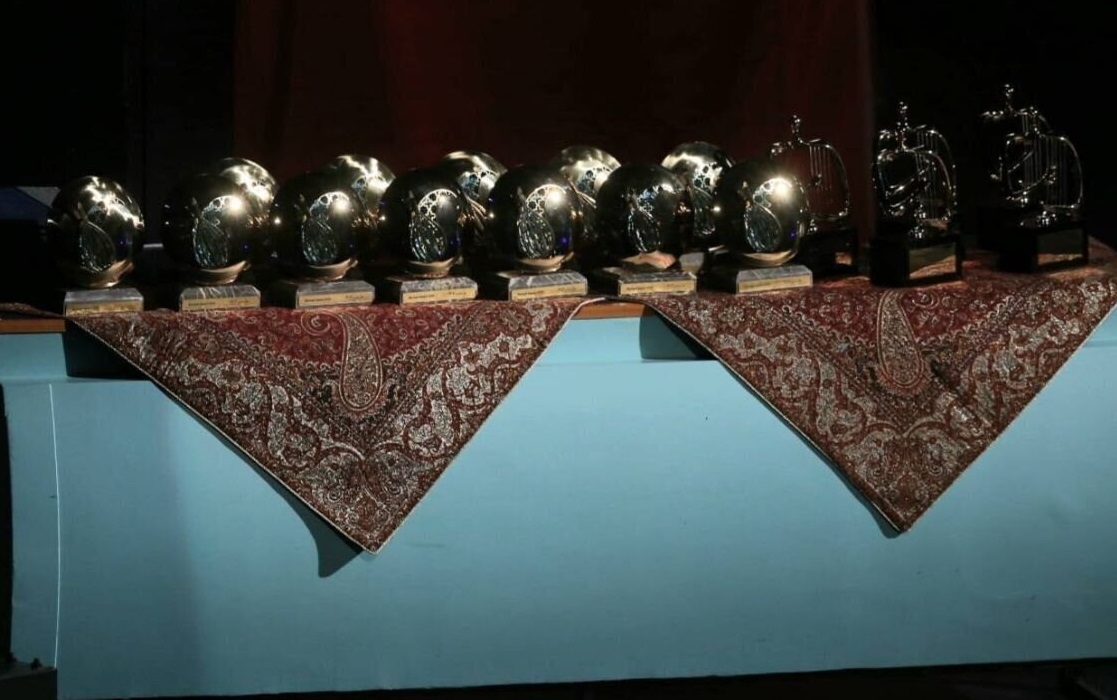
Winners of the Barbad Awards are Meisam Khodayari, Mohammad-Hossein Jafari, Mahmoud Salehi, Ali Ahmadian, Afshar Namvar, Ali Amjadi, Nima Zahedi, Omid-Reza Hedayati, Ali-Asghar Esmaeeli, and Hamid-Reza Esmaeeli.
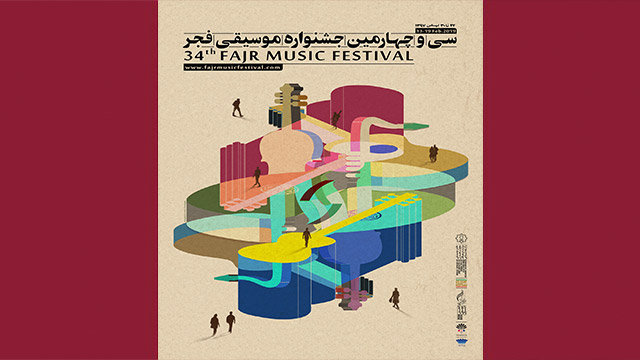
The 41st FIMF was held across six sections: Iranian music, choral ensembles, children and youth performances, fusion and pop genres, classical music, and the music of Iran’s ethnic groups and regions.