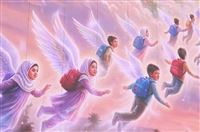
Headed by Mohammad Zarouee Nasrabad, the committee was established after Iran was attacked by the US and Israel on February 28.
Zarouee Nasrabad said, “The idea of forming this Situation Room actually began to take shape during the 12-day war last June, when the US and Israel attacked Iran. When the war started, communication infrastructures were naturally disrupted, and our artists, who wanted to react quickly to the ongoing issues, faced numerous challenges. One of the main functions of this Situation Room was therefore to maintain connections among artists, to keep them informed about one another’s activities, and to ensure that their efforts could be coordinated.”
“Our work is not limited to Tehran; it extends across the entire country. Artists from all over Iran are active and respond promptly when critical events occur. In addition to collecting artworks, the Situation Room has provided a creative environment where artists could continue producing new work,” he added.
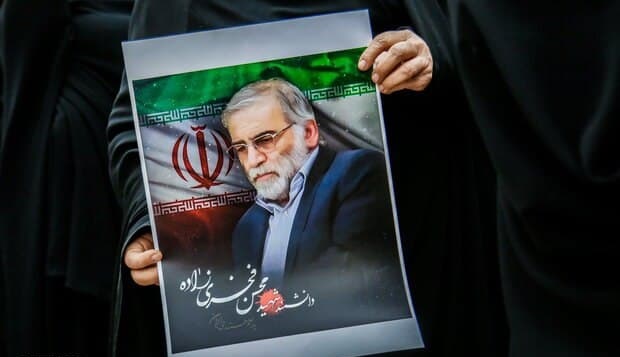
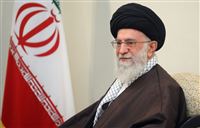
He also noted that, “Some 15 painters gathered in this space and created works centered on the theme of the Martyr Leader. Simultaneously, through the coordination facilitated by this Room, artists in various cities across the country began producing related artworks as well. Some of them even worked outdoors, in public places, alongside ordinary citizens, allowing people to see that artists were standing with them, creating cultural and artistic works in real time.”
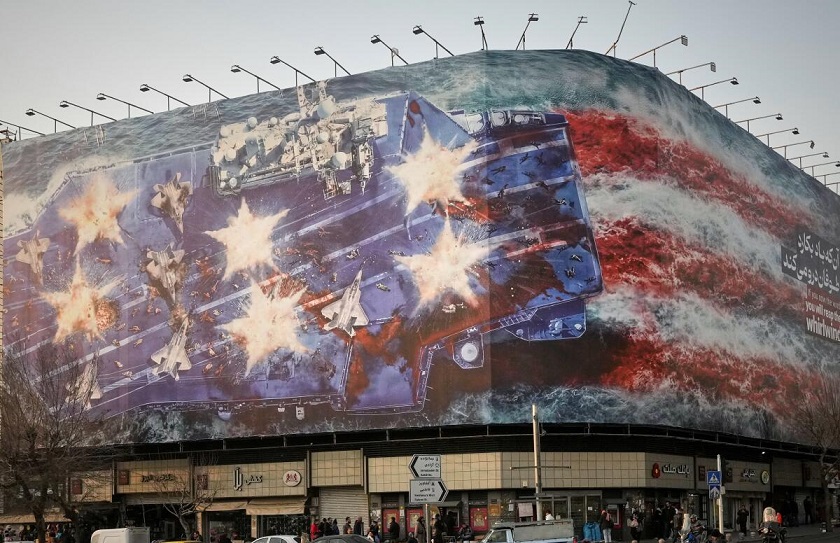
“You may have noticed some of these pieces around the city, the stencils and wall paintings. This activity is still ongoing. The works combine visual graphics with meaningful messages, transforming public spaces and shaping the cultural atmosphere,” Zarouee mentioned.
“The Situation Room is not limited to paintings and graphic designs. In the field of photography, from the very first day, a group of about 15 to 20 photographers from Iran Photographers' House joined in. They went to the targeted sites as soon as incidents occurred and documented the scenes, often under dangerous conditions. Even a few were injured, not seriously, though. We intend to include the photographs in upcoming exhibitions and eventually publish them in a book once the situation stabilizes,” he asserted.
According to Zarouee, “Today, we are working under certain media and internet restrictions, which have made things more difficult. Despite that, some of our artists have managed to connect directly with foreign artists and share their works through those channels. One of our ongoing efforts is focused on creating artworks with an international perspective, pieces that audiences abroad can understand, connect with emotionally, and receive their intended message”.
The US and Israel attacked Iran on February 28, and for 40 days, they martyred about 3,500 people, including the Leader of the Islamic Revolution Ayatollah Seyyed Ali Khamenei, several officials and military commanders, as well as numerous civilians, including women and children.