Live
فارسی آی‌فیلم2 عربي
42
-
Aa
+

Animation reviews biography of Martyred Leader

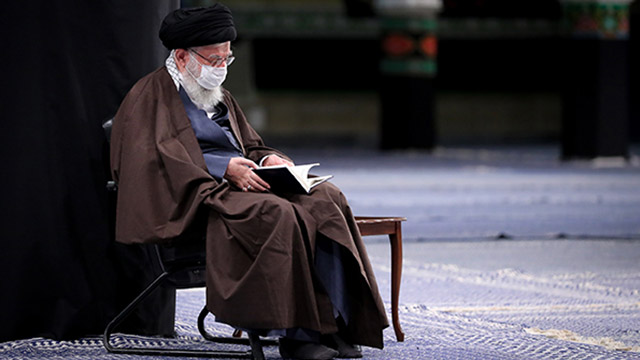
Animation briefly reviews the biography of the Martyred Leader of the Islamic Revolution Ayatollah Seyyed Ali Khamenei.

This animation briefly reviews the biography of the Martyred Leader of the Islamic Revolution Ayatollah Seyyed Ali Khamenei.

On the 19th of April 1939, the future Leader of Islamic Iran was born in the holy city of Mashhad, in the province of Khorasan. Seyyed Ali was the second son of Seyyed Javad Khamenei, a humble and poor Islamic scholar who taught all members of his family how to lead a simple, humble way of life.

At the age of four, Seyyed Ali and his older brother Mohammad, were sent to the traditional primary-schools to learn the alphabet and the Holy Quran. Later, he was transferred to a newly established Islamic school to continue his learning.

After this primary schooling, Seyyed Ali pursued his studies at the theological seminary in Mashhad.

The young Seyyed Ali was only eighteen years old when he started his studies at the highest level. He decided to make a pilgrimage to the holy shrines in Iraq, and so he left Iran for Najaf in 1957. He was fascinated by the theological and academic instructions and was willing to stay there and continue his studies to profit from the excellent teachers. However, his father preferred his son continue his advanced studies in the holy city of Qom. Thus, respecting his father's wish, he returned to Iran in 1958.

It was in Qom in 1962, that Seyyed Ali joined the ranks of the revolutionary followers of Imam Khomeini who opposed the pro-American, anti-Islamic policies of the Shah's regime.

Dedicated and fearless, he followed this path for the next 16 years which ultimately led to the downfall of the Shah's brutal regime: persecution, torture, imprisonment and exile could not make him waver for a moment.

Once freed, he started holding lessons on the exegeses of the Holy Quran, the Prophetic Traditions and Islamic ideology in Mashhad and Tehran. These lessons were most appreciated by the revolutionary Iranian youth. In 1967, he was arrested again for holding such classes and Islamic discussions.

This difficult period came to an end in the latter part of 1978 due to the prevailing political conditions, and Ayatollah Khamenei returned to Mashhad a few months before the triumph of the Islamic revolution.

Shortly before the triumph of the Islamic Revolution, an Islamic Revolutionary Council was formed and Ayatollah Khamenei was appointed as a member of this Council together with other important Islamic notables. He, therefore, left Mashhad for Tehran to take up his new responsibilities.

In 1982, he was targeted by an assassination attempt and got severely injured at the Abuozar Mosque in Tehran; and then he was elected President of the Islamic Republic of Iran following the martyrdom of President Mohammad Ali Rajaee.

During his presidency, he had an active presence at the fronts of the Iraqi-imposed war and tried to defend the country, manage the war situation, and preserve the domestic solidity.

In 1989, he was elected as the Leader of the Islamic Republic of Iran by the Assembly of Experts after the demise of Imam Khomeini.

During his leadership, he emphasized on Iran’s independence, resisting economy, self-sufficiency and decreasing the Iran’s dependency on other countries. He believed Iran’s progress should rely on domestic power, science, production and resisting foreign pressure.

Supporting the resistance in Palestine, Lebanon, Iraq, Syria, and Yemen were his main stakes in the regional policy. He believed Israel is the symbol of occupation and suppressing the Palestinian nation; and introduced defending Palestine as a humane and Islamic duty. And he emphasized on mighty military response against Israel’s crimes and aggression.

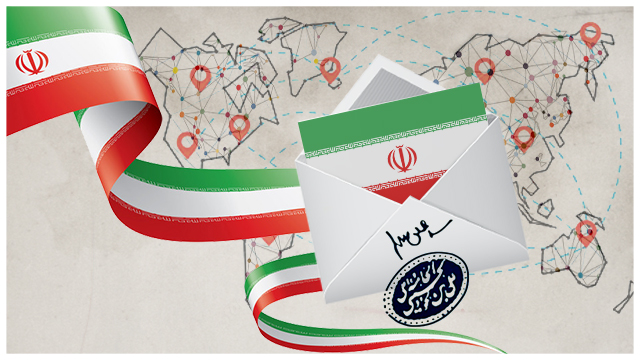
He didn’t just address the Muslims in the region, but also he wrote some letters to the youth in the Europe and North America and asked them to learn about Islam through Quran and the life of Prophet Muhammad [PBUH].

Finally, Ayatollah Khamenei, was martyred in the US-Israel strikes on February 28 in his office in Tehran, Iran.

His life started by learning as a seminary student, went on during fighting against the Pahlavi monarchy, and ended up while attempting for preserving Iran’s independence, Islamic resistance, and rights of the oppressed nations.

The biography of the Martyred Leader has been extracted from the leader.ir and khamenei.ir websites.

Comments
Send